

The best real estate investment strategies are buy-and-hold rentals for steady income, fix-and-flip for fast profits, BRRRR for scaling, and REITs for passive investing—chosen based on your budget, time, risk tolerance, and long-term financial goals.
Real estate investment strategies remain a popular way to build wealth through passive income now and growth later. They also give you choices, active or passive, short-term or long-term, higher risk or lower effort.
Before you buy anything, try the FREE Real Estate Investment Returns Calculator on CalcLabAI. It can help you compare options with real numbers, because the best real estate investment strategies are the ones that fit your budget, time, and risk tolerance while diversifying your investment portfolio.
Key Takeaways
- The best real estate strategy depends on your budget, time, skills, and risk tolerance.
- Buy-and-hold rentals, fix-and-flip, BRRRR, REITs, and crowdfunding fit different investor goals.
- Profitable deals depend on cash flow, cap rate, rent-to-price ratio, and local market demand.
- Repairs, holding costs, and weak property management can reduce returns quickly.
- A returns calculator helps compare strategies before you make an offer.
How to Choose the Right Strategy for Your Budget and Risk Level
The right real estate investment strategy depends on how much capital, time, and risk you can handle—not just potential returns.The Most Common Real Estate Investment Strategies and How They Work
Every property path looks good on paper when the assumptions are generous. In practice, your best option depends on how much cash you have, how much time you can give, and where you fall on the risk-return spectrum.

Start with your time, capital, and skill level
A first-time investor with limited savings could use a Self-Directed IRA as a tool for more capital, but should not copy the plan of a full-time flipper. Buy-and-hold rentals in residential real estate often need a Down Payment, reserves, and patience. Flips need more cash, faster decisions, and solid local contacts. BRRRR deals need both rehab skill and access to financing after the work is done.
Experience matters, too. If you know your market, can estimate repairs, and can manage contractors, more active strategies may fit. If not, simpler options often produce better outcomes because fewer things can go wrong.
Balance cash flow, appreciation, and effort
Some investors want monthly income. Others want capital appreciation for long-term growth. A few want both, but every strategy trades one benefit against another.
Long-term rentals can build equity slowly and produce steady rent. Flips may create faster gains, but they do not give recurring income. Passive options reduce daily work, but they also reduce control. That is why your life matters as much as projected return. Morgan Stanley’s 2026 real estate outlook points to a market where cash flow growth matters more than relying on easy price expansion.
The Most Common Real Estate Investment Strategies and How They Work
The most effective real estate strategies each balance income, risk, and effort differently, making some better for beginners and others for experienced investors.
The main methods in 2026 are familiar, but market conditions have made good execution more important. According to Morgan Stanley research, real estate returns in 2026 are increasingly driven by income growth rather than rapid price appreciation.
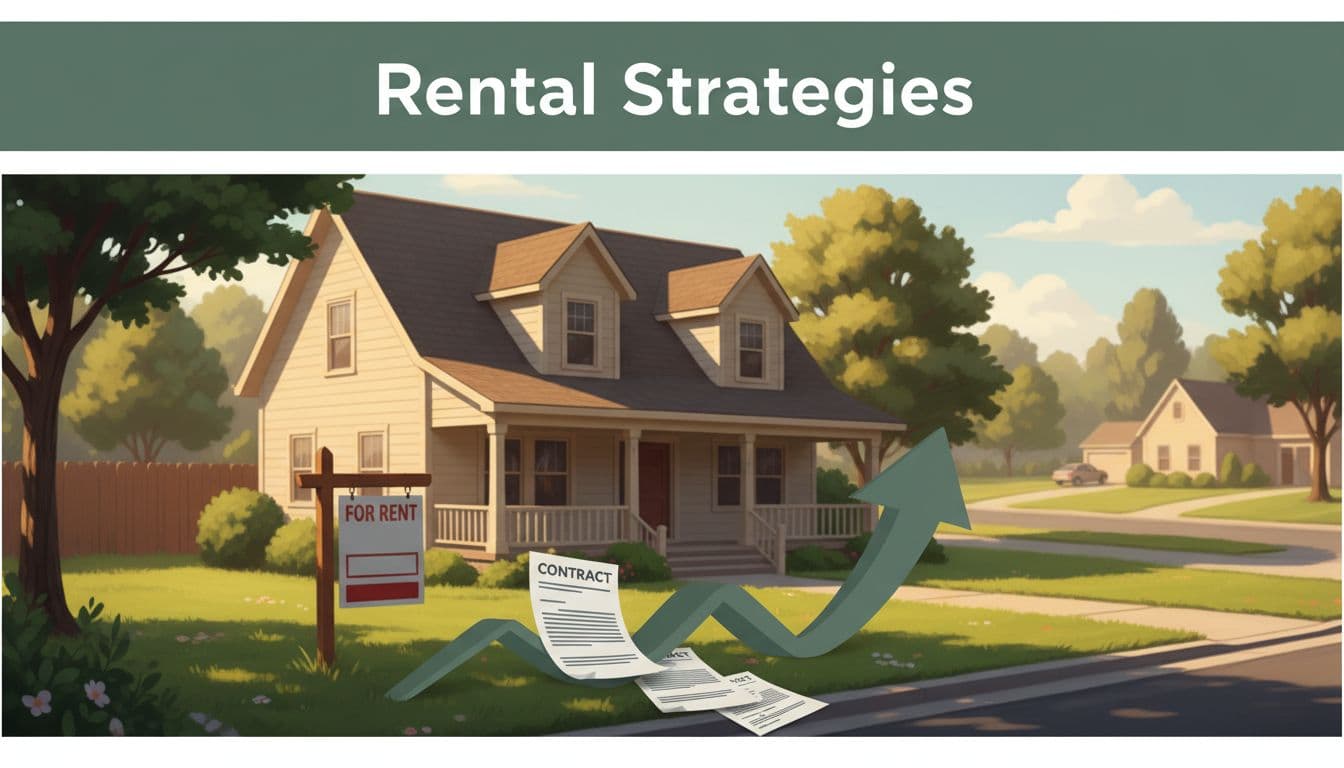
Buy and Hold for Steady Rental Income
This is the classic approach. You buy a property, rent it out, and hold it for years. The rental income helps cover expenses, while tenants help pay down the loan. Over time, you may benefit from rent growth, loan amortization, and price appreciation.
Examples include multifamily properties for broader cash flow or short-term rental properties for higher yields in tourist areas. Data from Realtor.com shows that properties in markets with strong job growth and limited supply tend to maintain higher occupancy rates and more stable rental income.
The tradeoff is slower access to cash. Vacancies, repairs, taxes, and insurance can also reduce margins. Still, for investors who want a long horizon, this remains one of the most practical real estate strategies.
Fix and Flip for Faster Profits
Flipping aims for a quicker payoff. You buy below market value, improve the home, and sell it at a higher price. When it works, the gain can come in months rather than years.
Many investors target profit margins of 10% to 20% on flip projects to account for unexpected repairs and holding costs.
However, small errors can erase profit. A weak contractor, a bad inspection, or a soft resale market can change the numbers fast. Current 2026 real estate investment trends show that flips still work, but only when investors buy well, control rehab scope, and move quickly.
BRRRR for Building a Portfolio Faster
BRRRR stands for buy, rehab, rent, refinance, repeat. The goal is to improve a property, raise its value, refinance based on that new value, and use the returned capital on the next deal.
It appeals to investors who want to grow faster without tying up all their cash in one house. Still, it depends on accurate appraisals, workable loan terms, and rehab costs that stay near budget. If the refinance falls short, your capital can get stuck.
Real Estate Investment Trusts and Crowdfunding for More Passive Investing
Real Estate Investment Trusts and online crowdfunding platforms let you invest in real estate without handling tenants or toilets. They are easier to start with, and they often require less money than direct ownership. Raw land investments can also fit here as a less common but viable passive option with potential for future development.
That said, passive investing gives you less control over the asset and the timeline. You are buying exposure to real estate, not running the property yourself. For busy investors, that trade can make sense.
What to Look for in a Profitable Deal in 2026
A profitable real estate deal must produce positive cash flow, realistic expenses, and strong local demand—not just optimistic projections.
The national market in April 2026 is mixed. Home price growth has slowed, inventory is rising in some areas, and mortgage rates have moved lower but remain uneven. Careful buyers can still find strong deals, but only if the analysis is realistic.
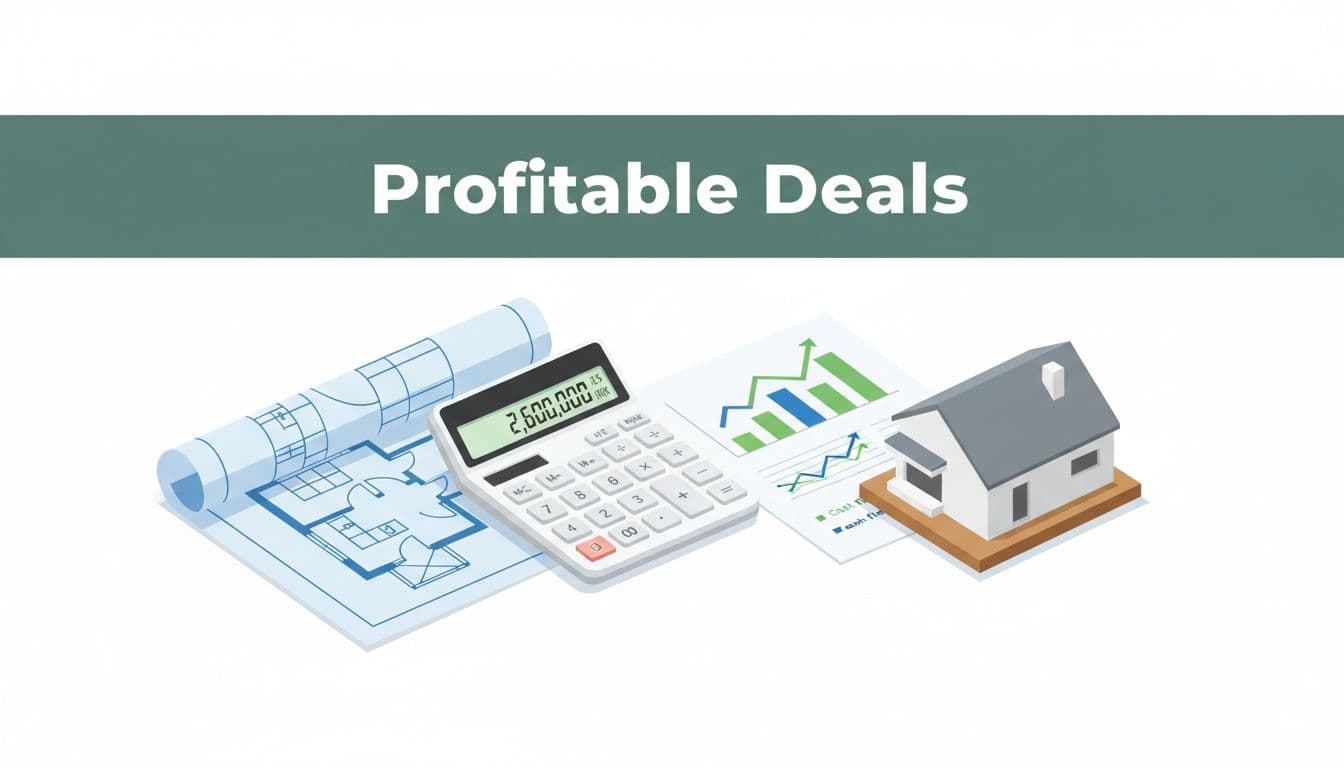
Check Cash Flow, Cap Rate, and Rent-to-Price Ratio
Cash Flow is what remains after rent covers mortgage, taxes, insurance, maintenance, and other costs. Cap rate measures income against price. The rent-to-price ratio gives a quick test of whether the property may support itself.
In many U.S. markets, investors aim for a rent-to-price ratio near 1% as a quick screening rule, though actual performance depends on local expenses and demand.
A deal should work with real expenses, not hopeful guesses. If the property only performs when vacancy is zero and repairs never happen, it is not a strong deal.
Study local demand, job growth, and housing supply
Location still drives results. Strong rental demand, diverse employers, and limited new supply can support rents and occupancy over time. On the other hand, oversupply or weak job growth can damage even a well-bought property.
That matters more in 2026 because returns vary more by market and sector, particularly for Value-Add Investments and Opportunistic Investments. Principal Asset Management’s 2026 outlook highlights that widening gap. A broad national bet is less useful than careful Market Research.
Use a calculator before you buy
A returns calculator helps you compare a rental, a flip, and a BRRRR deal with the same assumptions. You can test rent, rehab cost, Financing Options, vacancy, and exit price side by side. Insights from Vanguard highlight that long-term returns depend more on cost control and consistency than short-term market timing.
Use the FREE Real Estate Investment Returns Calculator before you make an offer. It is easier to reject a weak deal on a screen than after closing.
Avoid the mistakes that hurt returns
Most real estate losses come from poor planning, underestimating costs, or choosing the wrong market—not from bad luck.
Many losses come from simple planning mistakes, such as overlooking Tax Advantages or failing to plan for a 1031 Exchange, not bad luck.
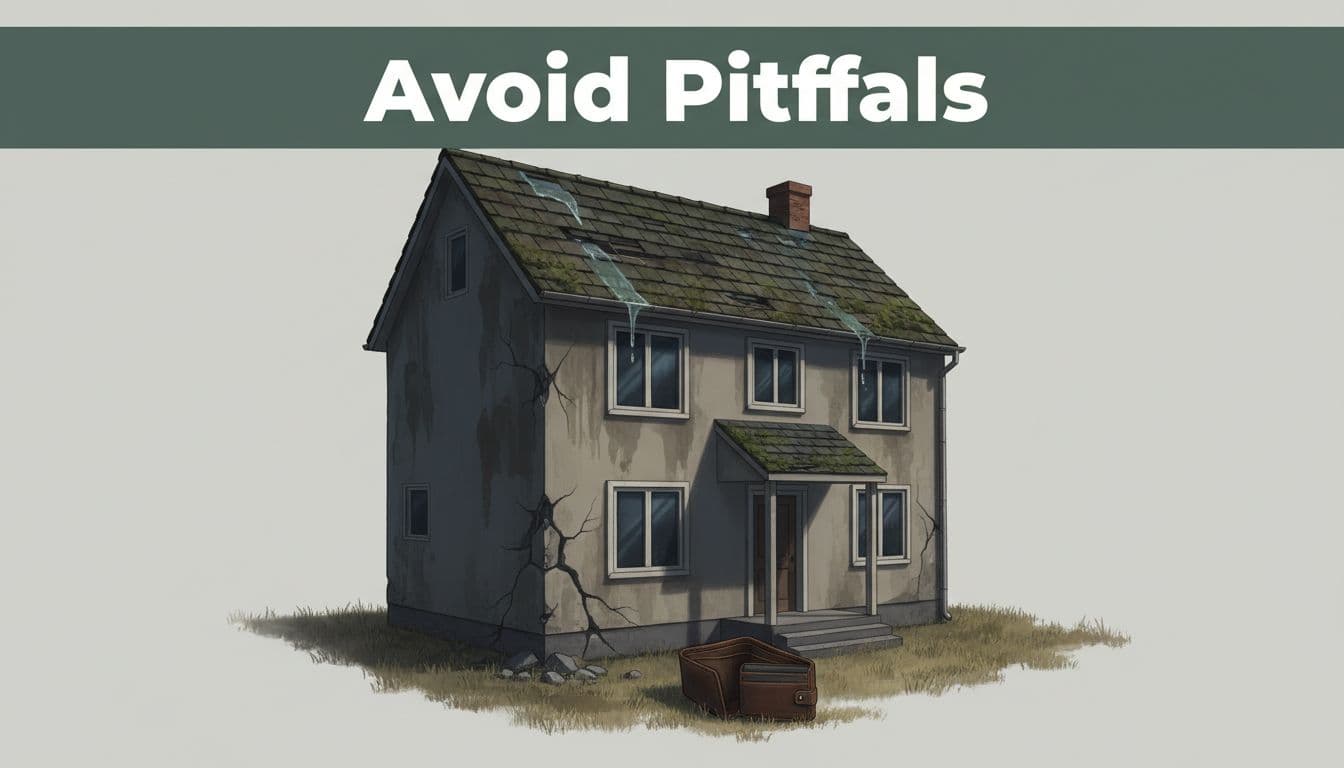
Do not underestimate repairs and holding costs
Repair budgets often start low and end high. In addition to rehab work, you need to count taxes, insurance, Mortgage Interest, utilities, vacancy, and routine maintenance. A thin margin disappears fast when carrying costs drag on for months.
Do not choose a market without studying risk
A good strategy fails in the wrong market. Weak rent growth, poor local jobs, and too much new supply can pull down returns. House Hacking offers a smart way to offset high personal living costs while starting out and testing the waters. Some 2026 markets are improving, while others are cooling, so local data matters more than hype.
Do not ignore Property Management quality
Poor management hurts income. Late maintenance, weak tenant screening, and slow leasing all reduce performance. Even a strong property can underperform if day-to-day operations are weak.
Frequently Asked Questions About Real Estate Investment Strategies
What is the best real estate investment strategy for beginners?
Beginners often start with buy-and-hold rentals or passive REITs and crowdfunding because they require less experience than flipping or BRRRR. These options let new investors learn the market while keeping the process simpler. The best fit still depends on available capital, time, and risk tolerance.
How do I evaluate if a deal is profitable in 2026?
A profitable deal should show positive cash flow after rent, mortgage, taxes, insurance, maintenance, and vacancy. Cap rate, rent-to-price ratio, and local demand also matter.
What is the BRRRR strategy and when does it work?
BRRRR means buy, rehab, rent, refinance, repeat. It works best when rehab costs stay under control, appraisals support the refinance, and financing terms make sense. Investors who want to grow a portfolio faster often use this strategy, but it carries more execution risk.
What are the main risks in active strategies like flipping?
Flipping carries risk from rehab overruns, bad contractor work, inspection issues, and a weaker resale market. Holding costs can also rise fast if the sale takes longer than planned. Strong local knowledge and tight budget control matter most.
Should I choose active or passive real estate investing?
Active strategies give more control and can produce higher returns, but they demand more time and skill. Passive options reduce hands-on work and are easier to start with. The right choice depends on how much involvement you want and how much risk you can manage.
Conclusion
The best real estate investment strategies, whether core investments, core-plus investments in commercial real estate, or scaling via real estate syndication and private equity funds, are those that match your goals, budget, and tolerance for risk. Higher projected returns mean little if the deal does not fit your time, skills, or cash reserves.
Careful analysis beats hype every time. Use the FREE Real Estate Investment Returns Calculator to test your numbers, compare strategies, and choose with confidence before you invest.
Last Updated: April 29, 2026
Disclaimer:
This content is for informational and educational purposes only and does not constitute financial, investment, or legal advice. Real estate investing involves risk, including potential loss of capital. Always do your own research and consult with a qualified professional before making decisions.