

The best ways to improve real estate investment returns are choosing strong markets, buying for cash flow, using smart financing, controlling expenses, increasing rent strategically, and improving property value through upgrades, management, and well-timed refinancing or selling decisions.
Strong real estate investment returns rarely come from luck. They come from buying in the right place, using sensible debt, managing the asset well, and selling or refinancing at the right time.
This guide gives you 50 practical tips you can use before and after closing. Before you run numbers on any deal, use the Free Real Estate Investment Returns Calculator to test cash flow, financing, and exit scenarios with a clear head.
Key Takeaways
- Markets with strong rent-to-price ratios, job growth, population growth, and low vacancy rates tend to support better cash flow. According to Realtor.com housing data, markets with strong job growth and limited supply tend to maintain higher occupancy rates and more stable rental income.
- Multi-unit properties can reduce vacancy risk and improve operating efficiency when they fit your goals and local tenant demand.
- Financing affects return as much as purchase price, so lenders, leverage, and reserves should be reviewed before closing.
- Property management directly affects NOI, so tenant screening, maintenance, and reporting need business-level discipline.
- Returns often improve after purchase through targeted upgrades, rent adjustments, and regular refinance or sale reviews.
Start With the Right Market, Not Just the Right Property
The best real estate returns usually come from strong markets with solid rent demand, job growth, and low vacancy—not just from finding a “good” property.
Market research shows that a great property in a weak market can underperform for years. In 2026, many investors are seeing better results from rental income than from property appreciation, so market selection matters even more. Emerging markets like Midwest cash flow areas still attract attention, some Northeast cities have tight supply, and parts of the South remain strong but face new supply pressure. For current examples, see xREI’s 2026 rental market list.

> In 2026, with strategic timing, many deals win on cash flow, not on wishful appreciation.
Look for cities with strong rent-to-price ratios
- Favor markets where rental income covers a larger share of the purchase price, because that improves monthly cash flow.
- Compare the same property type across cities, since a cheap house can still be a poor rental.
- Check taxes and insurance with the rent-to-price ratio, because headline rent alone can mislead you.
- Buy where the deal works on day one, not where you hope future growth saves a weak purchase.
Study job growth, population growth, and rental demand
- Track local job growth, because payroll expansion supports rent payments and lowers default risk.
- Watch population trends, since inward migration often lifts occupancy and supports rent increases.
- Review vacancy rates before you buy, and avoid markets where empty units stay vacant for months.
- Use public market reports, such as Realtor.com’s top housing markets for 2026, to see where demand may stay firm.
Avoid markets with too much new supply
- Study the construction pipeline, because a flood of new units can cap rent growth.
- Pay extra attention in fast-growing Sun Belt metros, where recent apartment supply has pressured owners.
- Prefer prime locations in neighborhoods with limited buildable land or stricter zoning, because supply is harder to expand there.
- Compare your target city with broader rankings, such as Buildium’s up-and-coming markets for 2026, but still verify block-level conditions yourself.
Choose Property Types That Support Steady Income
The right property type improves stability and returns by matching your income goals, risk tolerance, and tenant demand.
Your property type shapes both risk and return. In 2026, many investors still like multi-unit properties for stable rent streams or REITs as a hands-off alternative, while some look at small value-add homes or turnkey rentals for simpler operations. The best option depends on what you want most: current income, long-term growth, or a faster lift through improvements.
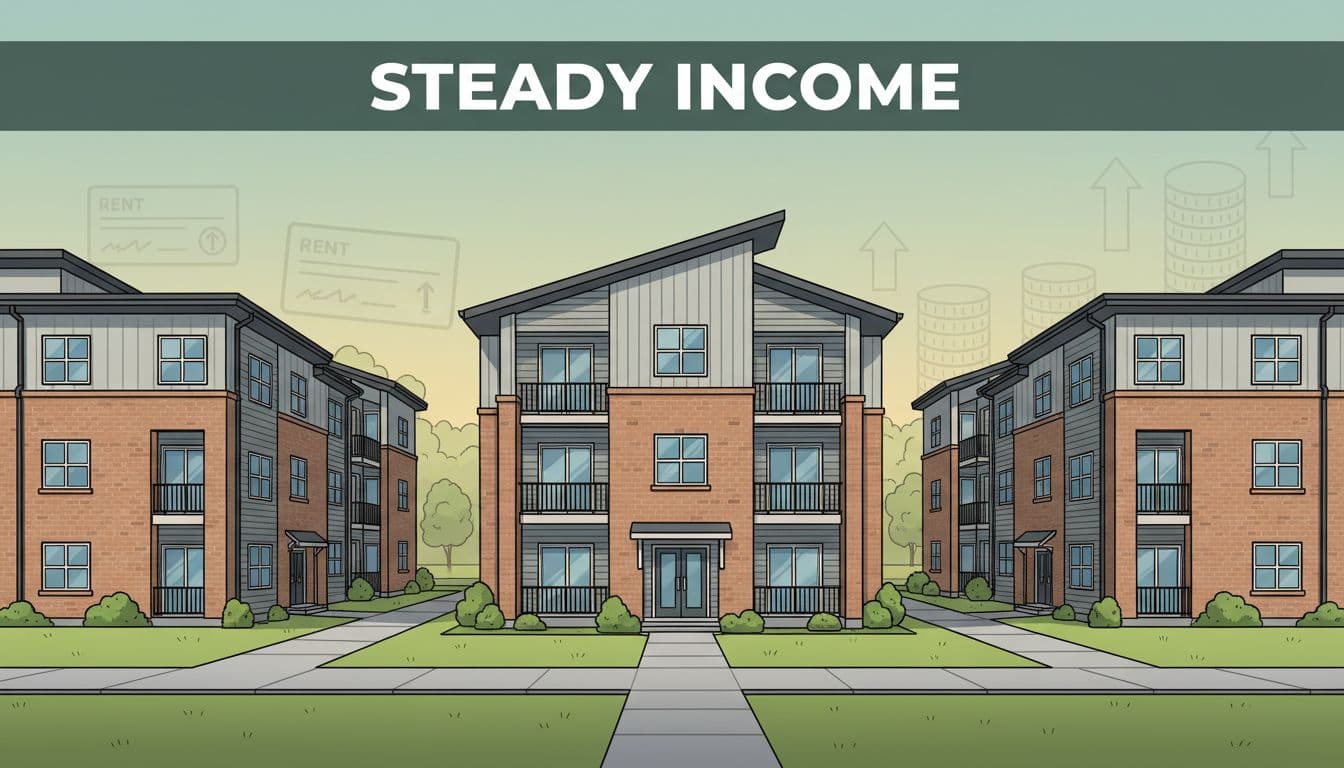
Use multi-unit properties to spread vacancy risk
13. A duplex or fourplex can keep income coming when one unit turns over.
14. Shared systems can lower repair costs per unit, especially on roofs, exterior walls, and landscaping.
15. Small multi-unit properties often give first-time investors a better mix of scale and control, with house hacking serving as an ideal entry point.
16. Choose buildings with separate utility setups when possible, because expense recovery supports higher net income.
Match the property type to your return goal
- Buy turnkey homes if you want simpler operations and fewer early repairs, even if the yield is modest.
- Choose properties for value-add strategies if you can manage renovations, leasing risk, and delayed cash flow.
- Compare cities by strategy with ProInvestorHub’s 2026 market rankings, including cap rates, because a cash flow market may not be an appreciation market.
Do not ignore condition, layout, and tenant fit
- A plain, functional layout often rents faster than a stylish but awkward floor plan.
- Avoid properties with hidden capital issues, such as old plumbing, bad drainage, or failing HVAC.
- Match the asset to the local tenant base, because student, workforce, and family renters want different features.
Use Financing To Improve Your Real Return
Smart financing can increase returns, but poor loan terms or high leverage can quickly reduce profits and increase risk.
Debt can boost your cash-on-cash return, but poor loan terms can drain them. A smart loan supports cash flow, leaves room for repairs, and gives you options later.
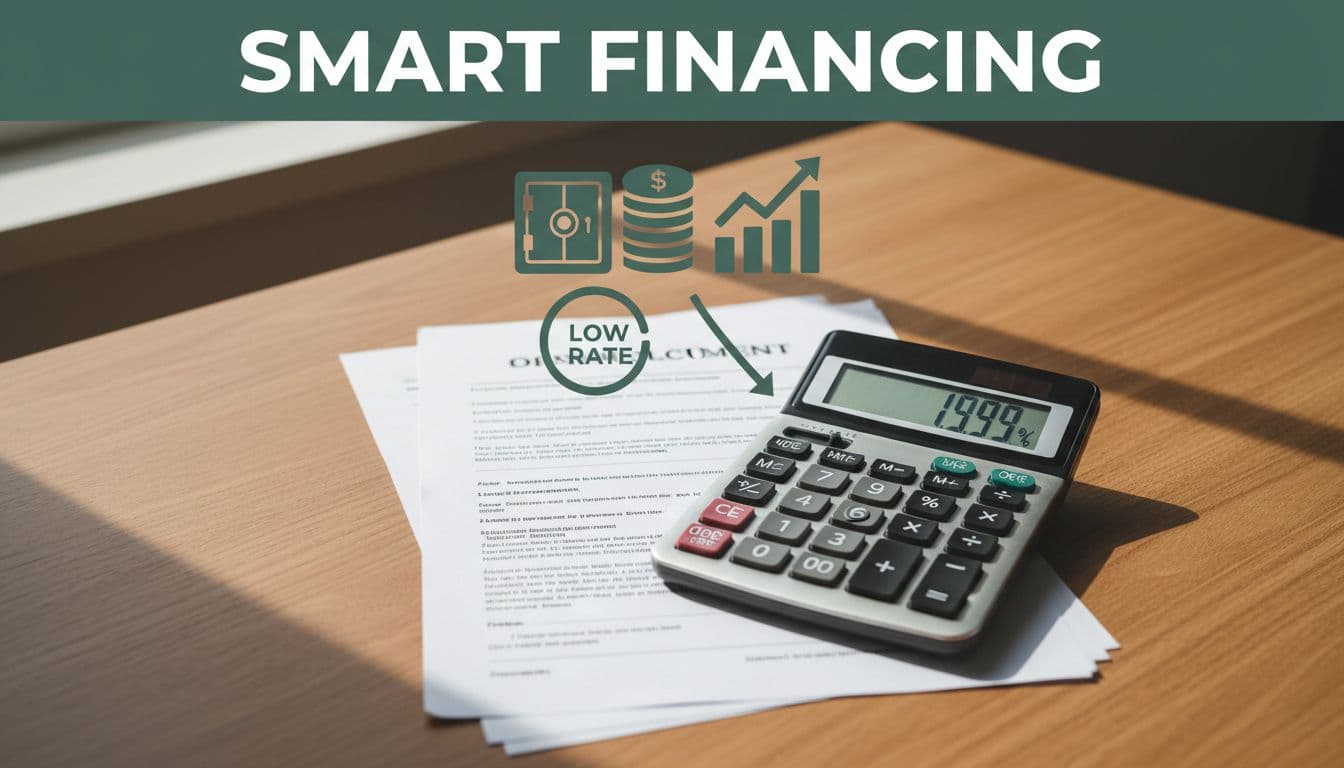
Shop lenders before you make an offer
23. Get quotes from several lenders, because mortgage interest rates, fees, and reserve rules vary more than most buyers expect.
24. Read the prepayment terms, since an attractive rate can hide costly limits on refinancing or sale.
25. Lock only when the deal and timeline justify it, because rate locks also have a price.
Keep leverage under control
26. A larger loan can raise cash-on-cash return, but it also makes vacancies hurt more.
27. Stress-test the property with lower rent and higher expenses before you accept a thin margin.
28. Put more money down in soft markets or on properties needing major repairs.
Build in reserves from day one
- Keep repair reserves outside your closing funds, so one broken system does not create panic.
- Budget for taxes and insurance increases (net of depreciation and tax benefits), because they can rise faster than rent in some markets.
- Hold vacancy reserves even in strong cities, since tenant turnover never follows your calendar.
- Refill reserves after large repairs, instead of treating that cash as spendable profit that inflates your equity multiple.
Manage the Property Like a Business
Strong property management directly increases returns by improving rent collection, reducing vacancies, and controlling expenses.
Property management is not passive if you want strong returns. Operations shape profit every month. Good screening, consistent upkeep, prompt collections, and the right insurance often matter more than a slight change in purchase price. Asset management provides higher-level oversight beyond daily tasks.
Screen tenants carefully
- Verify income with documents, not promises, because stable earnings reduce missed payments.
- Check prior housing history, since past rent behavior often predicts future rent behavior.
- Apply the same written standards to every applicant, which lowers legal risk and keeps decisions clear.
Stay ahead of repairs and upkeep
- Inspect major systems on a schedule, because small leaks and cracks become large bills.
- Respond quickly to habitability issues, since delays lead to turnover, damage, and weak reviews.
- Refresh common wear items before they fail, especially flooring, paint, lighting, and hardware.
Hire a property manager only when the numbers make sense
- Use a manager if distance, scale, or time limits would hurt your response speed.
- Self-manage when the property is small, nearby, and simple enough to oversee well.
- Ask managers about leasing fees, renewal fees, and maintenance markups, because those add to operating expenses and can erase profit.
- Review monthly statements closely, even with a manager, focusing on net operating income, since ownership still requires oversight.
Find More Upside After the Purchase
The biggest gains often come after closing by improving the property, increasing rents, and optimizing operations.
Closing is the start of the return story, not the end. Many of the best gains come from value-add strategies like better units, better leases, and better tracking. In a slower price-growth period, that extra discipline can separate an average asset from a strong one. If you want city-level property appreciation context, PropertyIQ’s 2026 appreciation rankings show how differently metros can behave.
Maximize ROI with Upgrades Tenants Will Pay For
- Spend on improvements renters notice every day, such as fresh paint, a kitchen remodel, durable flooring, and better lighting.
- Add curb appeal with simple landscaping and clean entryways, because first impressions affect leasing speed.
- Cut utility waste with efficient fixtures and insulation, since lower bills can support rent and retention.
Raise Rents at the Right Pace
- Review comparable listings before every renewal and consider pivoting to short-term rentals to find more upside, because local pricing moves faster than old assumptions.
- Increase rents in measured steps, so good tenants stay and turnover costs stay low.
- Pair higher rent with visible value, such as better appliances, cleaner common areas, or improved parking.
Track Numbers Every Month
49. Track vacancy, expenses, rent growth, and NOI monthly to spot trends early and influence capital gains potential.
50. Revisit your return model before you refinance or sell, so you compare exit options like capital gains with facts instead of emotion. Investment insights from Vanguard highlight that keeping costs low and maintaining a long-term strategy are key drivers of overall portfolio returns, including real estate investments.
Frequently Asked Questions About Real Estate Investment Returns
What should I prioritize when selecting a real estate market?
Focus on markets with strong rent-to-price ratios, low vacancy rates, job growth, and limited supply—these factors directly support cash flow and long-term real estate investment returns. These factors support immediate cash flow and reduce risks from weak demand or oversupply. Use resources like xREI’s 2026 rental market list and Realtor.com reports for data-driven choices.
Single-family homes or multi-unit properties: which is better for returns?
Multi-unit properties like duplexes or fourplexes spread vacancy risk, lower per-unit costs, and suit steady income goals, especially for first-timers via house hacking. Single-family turnkey homes offer simpler operations but modest yields, while value-add options fit renovation-savvy investors.
How can I use debt to improve returns without excess risk?
Shop multiple lenders for the best rates, terms, and reserves; stress-test scenarios with lower rents or higher expenses; and build separate reserves for repairs and vacancies. Larger loans boost cash-on-cash returns but amplify vacancy impacts, so put more down in soft markets or for fixers. Research from Fannie Mae shows that financing structure and loan terms can significantly impact long-term real estate investment returns, not just the purchase price.
When should I hire a property manager?
Hire if distance, scale, or time constraints slow your response, but self-manage small, nearby, simple properties to save fees. Scrutinize manager contracts for leasing, renewal, and maintenance markups that erode net operating income, and review statements monthly regardless. The numbers must justify the cost to protect returns.
How do I maximize returns after closing?
Invest in high-impact upgrades like kitchens, paint, and curb appeal that tenants pay for via higher rents; raise rents gradually with comps and added value to retain good occupants; track vacancy, expenses, and NOI monthly. Consider short-term rentals for upside and revisit models for refi or sale timing. Discipline here often drives the strongest equity multiples.
Final Thoughts
Better real estate investment returns come from better choices at every stage to improve real estate investment returns. The strongest investors study the market first, buy the right property type, use debt with care, run the asset with discipline, and embrace portfolio diversification that includes REITs for balanced exposure.
That approach matters even more in 2026, when many properties earn their keep through steady income rather than fast appreciation or capital gains. Consider concluding strategies like house hacking to live rent-free while building equity, scaling into multi-unit properties through house hacking for reliable cash flow, and leveraging house hacking alongside other assets to hedge against capital gains volatility. Before you buy, refinance, or sell, run the numbers again with the Free Real Estate Investment Returns Calculator to project your equity multiple and maximize ROI with confidence.
Consistent cash flow, controlled expenses, and disciplined property management are the foundation of strong real estate investment returns.
Last Updated: April 29, 2026
Disclaimer:
This content is for informational and educational purposes only and should not be considered financial, investment, or legal advice. Real estate investments Returns involve risk, including potential loss of capital. Always conduct your own research and consult with a qualified professional before making investment decisions.